


Excerpt: Old houses have a reputation for being cold and expensive to heat. But did you know you can improve your home’s energy efficiency without compromising its character?
We all want a warm home and lower energy bills. However, standard advice for modern homes—like “seal up every gap” or “install plastic windows”—can be disastrous for a heritage property.
Making a historic building energy-efficient requires a delicate balance. You need to keep the heat in while still allowing the building to “breathe” to prevent damp.
The Window Dilemma Original sash or casement windows are often the first things homeowners want to rip out. But replacing original timber with uPVC not only destroys the character of your facade but often lowers the value of the property.
Instead of replacement, we recommend Restoration and Draught-Proofing. By repairing the timber, installing discreet draught-proofing seals, and perhaps adding secondary glazing, you can significantly reduce heat loss while keeping the original historic fabric intact.
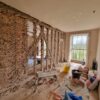
Insulation: Natural is Better If you have a cold roof or chilly walls, insulation is key. But avoid standard pink fiberglass or rigid foam boards. These non-breathable materials trap moisture, leading to rotting rafters and joists.
At Morris & Hughes, we use natural, breathable alternatives such as:
- Sheep’s Wool: Excellent thermal properties and naturally manages humidity.
- Wood Fibre Board: Great for insulating internal walls while allowing moisture transfer.
- Hempcrete: A sustainable mix of hemp and lime that insulates and supports the structure.
Sustainability is Built-In Ideally, the most sustainable building is the one that already exists. By repairing and upgrading your historic home rather than demolishing or using high-carbon modern materials, you are making an environmentally sound choice.
You don’t have to choose between a warm house and a historic one. With the right materials and techniques, you can have both.
Is your period property feeling the chill? Ask us about breathable insulation and window restoration.
Comments are closed